
Frequency Converter Maintenance: Essential Tips for Long-Term Performance
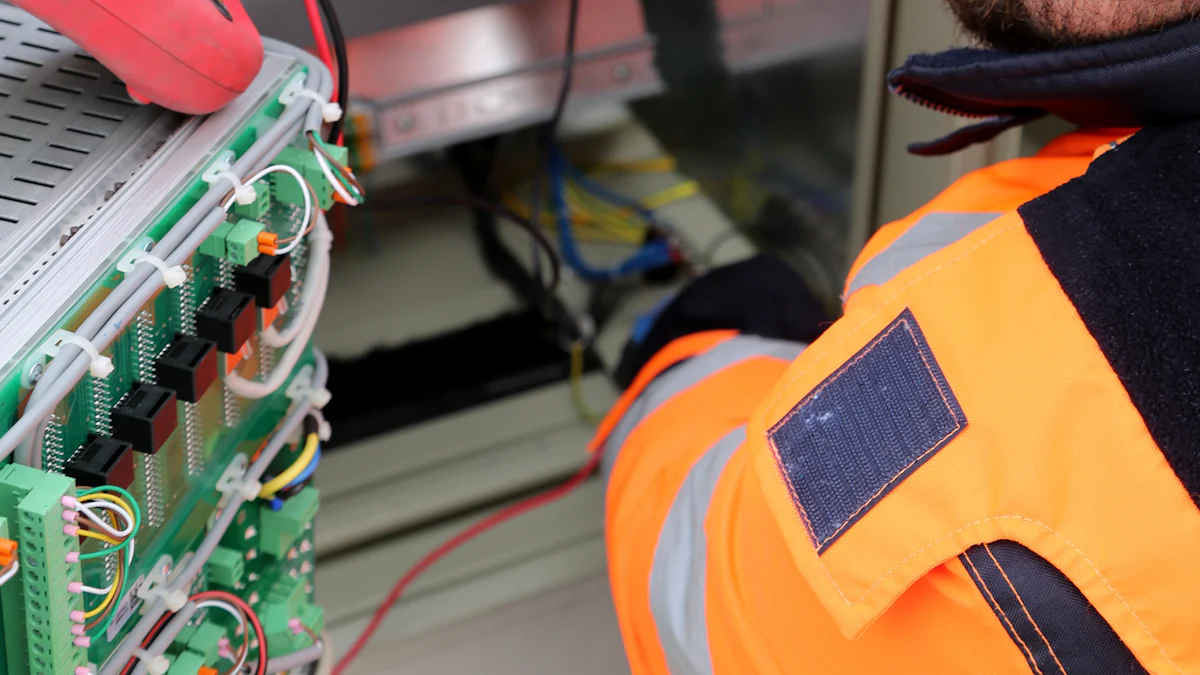
Routine maintenance of frequency converters prevents costly equipment downtime, extends service life, and maintains optimal motor efficiency. Variable frequency drives contain sensitive power electronics and microprocessors that degrade rapidly when exposed to dust accumulation, excessive heat, and moisture. Establishing a structured preventative maintenance schedule isolates potential component failures before they trigger catastrophic drive shutdowns.
Adopting a proactive maintenance strategy protects your industrial capital investment and keeps automated production lines running smoothly. Routine frequency converter maintenance such as clearing dust from cooling fans and inspecting internal connections is essential for preventing unexpected equipment downtime and extending the lifespan of your drive system.
Controlling Dust Accumulation and Managing Thermal Buildup
Clearing dust buildup from heat sinks and cooling fans maintains heat dissipation and prevents internal thermal tripping. Dust acts as an insulating blanket over electronic components, trapping heat inside the converter enclosure and drastically accelerating the degradation of internal capacitors. In environments with conductive dust like metal shavings or carbon particles, accumulation causes short circuits across power boards.
Cleaning internal components requires using clean, dry compressed air at low pressure or a non-static vacuum system during scheduled downtime. Inspecting cooling fans for bearing wear, unusual noise, or reduced airflow ensures the unit maintains proper operating temperatures under full load. Replacing failing fans proactively stops heat from damaging expensive insulated-gate bipolar transistors.
Inspecting Electrical Connections and Managing Vibration
Checking terminal connections periodically prevents loose wiring from causing voltage drops, arcing, and localized overheating. Industrial machinery generates continuous vibration that gradually loosens screw terminals and power cable lugs over time. Loose connections increase electrical resistance across input and output terminals, leading to thermal stress that can melt terminal blocks or burn circuit traces.
Using a calibrated torque wrench allows technicians to retighten every electrical connection to exact manufacturer specifications. Inspecting power cables for signs of insulation wear, discoloration, or heat damage catches failing conductors early. Performing thermal imaging scans on live drives identifies hot spots across bus bars and circuit breakers without interrupting plant operations.
Monitoring DC Bus Capacitors and Power Quality
Tracking the health of internal DC bus capacitors prevents sudden drive failure and maintains clean power output to connected motors. Electrolytic capacitors have a finite operational lifespan, typically requiring replacement after five to seven years of continuous service depending on ambient operating temperatures. Failing capacitors exhibit bulging tops, electrolyte leakage, or increased ripple voltage across the DC bus.
Measuring DC bus voltage stability and checking for excessive AC ripple helps assess capacitor condition during preventative maintenance windows. Applying power to spare or long-stored drives periodically re-forms capacitor dielectric layers, preventing immediate failure upon installation. Monitoring incoming line voltage quality shields internal diode bridges from damaging voltage spikes and transient surges.
Conclusion
Establishing a comprehensive maintenance framework for your Visicomm Industries rotary frequency converter maximizes equipment reliability and protects your entire automated infrastructure. Regular cleaning, terminal torqueing, capacitor monitoring, and environmental control eliminate the root causes of drive failure. Preventing premature component wear keeps production schedules on track and lowers overall operational costs across your facility. Prioritizing drive maintenance ensures your equipment delivers consistent energy savings and precise process control for years to come.


