
Green Innovations in Computer Design
In today’s rapidly evolving technological landscape, the importance of sustainable practices has never been more critical. As digital devices become an inseparable part of our lives, the demand for green computer design has surged. This forward-thinking approach integrates ecological awareness with advanced engineering, ushering in a new era where technology and sustainability walk hand in hand.
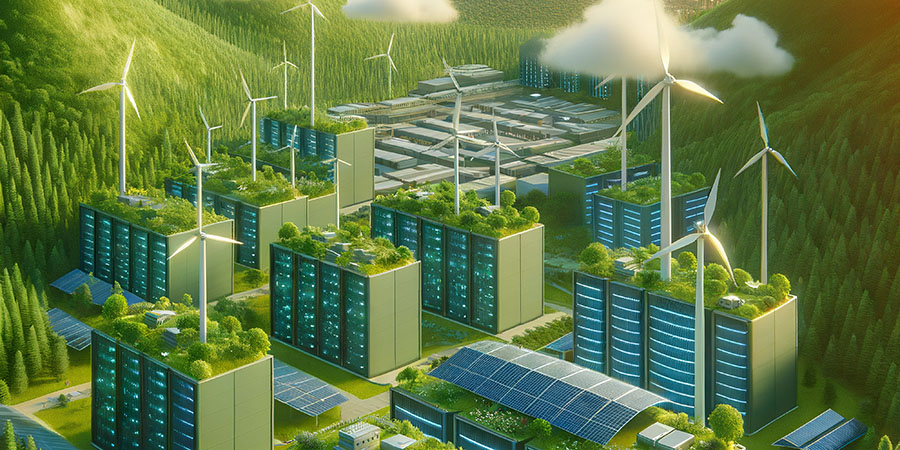
The Essence of Green Computer Design
Green computer design transcends the mere act of building devices that function well. It encompasses a holistic view of a product’s lifecycle—from sourcing raw materials to manufacturing, usage, and eventual disposal. The goal is clear: minimize environmental impact without compromising performance or user experience.
Central to this philosophy is the use of recycled and renewable materials. For instance, many manufacturers now prioritize aluminum and plastics that can be repurposed, drastically reducing reliance on virgin resources. This shift not only conserves natural reserves but also curtails the carbon emissions associated with extraction and processing.
Materials and Manufacturing: The First Frontier
One of the most significant breakthroughs in eco friendly computing is the adoption of biodegradable polymers and recycled metals in hardware production. Unlike traditional plastics that linger in landfills for centuries, biodegradable alternatives decompose naturally, reducing long-term pollution.
Manufacturing processes themselves have evolved through environmental design innovation. Factories now incorporate energy-efficient machinery and implement waste reduction strategies. Techniques such as additive manufacturing, or 3D printing, enable precise use of materials, eliminating excess and lowering energy consumption. Additionally, the reduction of hazardous substances in components aligns with global standards to protect both ecosystems and human health.
Energy Efficiency: Powering the Future Responsibly
Energy consumption is a paramount concern in the quest for greener technology. Computers and data centers collectively consume vast amounts of electricity worldwide. Therefore, designing systems that optimize power use is essential.
Modern processors leverage advanced power management features. These include dynamic voltage scaling and power gating, allowing devices to adjust energy usage based on workload demands. Such techniques ensure minimal power wastage during idle times without sacrificing computational speed when needed.
Furthermore, components like LED backlit displays and solid-state drives consume less energy than their predecessors, contributing to the overall efficiency of devices. Implementing sustainable digital solutions ensures that energy conservation is embedded deeply into the design, enabling longer battery life for portable devices and reduced operational costs for enterprise systems.
Modularity and Repairability: Extending Product Lifespan
A pivotal concept in green computer design is modularity. By constructing devices with easily replaceable parts, manufacturers can dramatically extend product lifespans. When a component fails or becomes outdated, users can swap it out rather than discard the entire machine.
This approach not only reduces electronic waste but also empowers consumers with greater control over their devices. Open-source repair manuals and standardized parts further enhance repairability, aligning with circular economy principles. Consequently, modular design reduces the demand for raw materials and energy-intensive manufacturing processes, fostering sustainability at its core.
Sustainable Packaging and Distribution
Beyond the devices themselves, packaging has become a focal point for ecological improvements. Brands committed to eco friendly computing are shifting toward minimalistic, recyclable, or compostable packaging materials. These choices help reduce waste and the environmental footprint associated with shipping.
Smaller, lighter packaging also translates to lower transportation emissions. Efficient logistics combined with sustainable packaging demonstrates a comprehensive commitment to environmental stewardship, highlighting the interconnectedness of every phase in a product’s journey.
Software’s Role in Green Innovation
Hardware is only part of the equation. Software innovations play a crucial role in enhancing the sustainability of computing. Energy-aware programming ensures applications consume resources judiciously, preventing unnecessary power draw.
Cloud computing platforms exemplify sustainable digital solutions by optimizing server loads and data storage. Advanced algorithms allocate resources dynamically, reducing idle power consumption in vast data centers. This intelligent management minimizes waste while maintaining high levels of service, benefiting both providers and users.
Consumer Awareness and Corporate Responsibility
The rise of environmentally conscious consumers fuels innovation. People now demand transparency and accountability from tech companies regarding their sustainability practices. Certifications, sustainability reports, and eco-labels have become critical in guiding purchasing decisions.
Corporations responding to this demand are integrating sustainability into their core business strategies. They invest in research and development focused on reducing environmental impacts, from initial design to product end-of-life. Collaborations across industries also promote knowledge sharing and the establishment of greener standards.
Looking Ahead: The Future of Green Computer Design
The trajectory of technology is inevitably tied to sustainability. Environmental design innovation is continuously pushing boundaries, introducing novel materials, energy-saving technologies, and smarter lifecycle management practices. As the global community intensifies its commitment to combating climate change, green computer design stands at the forefront of tech-driven environmental progress.
In this transformative era, every detail matters. From the microscopic structure of a semiconductor to the packaging box’s material, sustainability must be woven into every thread of design. By embracing green computer design and sustainable digital solutions, the technology sector not only reduces its footprint but also inspires a future where innovation and ecology coexist harmoniously.


