
The Rise of Smart Tools in Technology Industry
The modern era of innovation has ushered in a dynamic wave of change, and at its heart lies the technology industry rise. With every passing year, groundbreaking inventions push the boundaries of efficiency, precision, and connectivity. Among these game-changing advancements, smart tools adoption has emerged as one of the most significant shifts, redefining how businesses and individuals engage with technology.
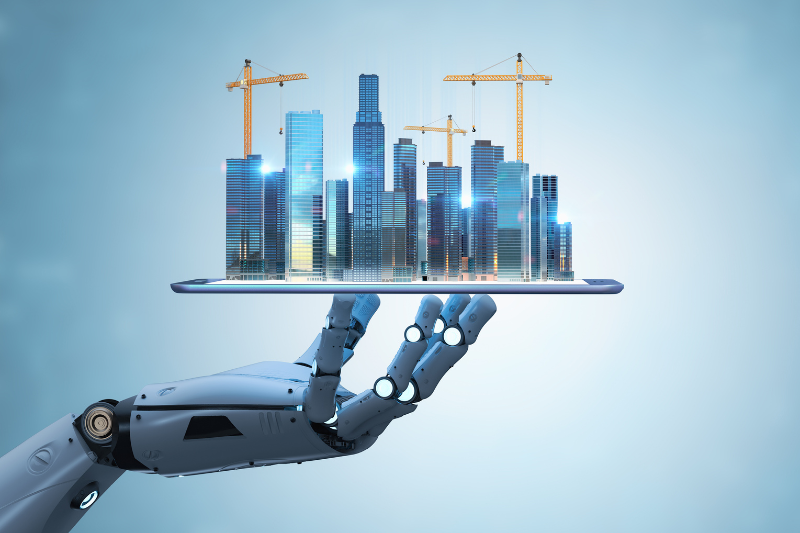
The Power of Smart Tools
Smart tools, ranging from AI-powered software platforms to connected hardware devices, represent a radical leap in usability and performance. Unlike traditional systems, they leverage data, automation, and real-time analytics to streamline processes. Their integration allows industries to accomplish tasks faster, more accurately, and often with reduced costs.
This surge in smart tools adoption is not a fleeting trend but a testament to a deeper transformation across sectors. Manufacturing lines now rely on predictive maintenance tools to prevent downtime, while healthcare professionals harness digital diagnostics that enhance patient outcomes. Even in creative industries, smart editing platforms and AI-driven design software are amplifying human ingenuity.
Digital Transformation Tools Redefining Efficiency
At the core of this evolution are digital transformation tools. These solutions enable organizations to transition from legacy frameworks into agile, modern ecosystems. Cloud computing platforms, collaborative applications, and advanced analytics dashboards exemplify this shift. They break down silos, empower distributed teams, and provide leaders with actionable insights that were once difficult to obtain.
For instance, financial institutions employ smart risk-assessment tools to anticipate market volatility, while retailers deploy predictive analytics to personalize customer experiences. The utility of digital transformation tools transcends industries, offering customized pathways for growth and adaptability. Their role in shaping workflows cannot be overstated, as they serve as catalysts for innovation, efficiency, and strategic foresight.
Future Ready Solutions in Action
The adoption of future ready solutions signals a forward-thinking approach to technology. Businesses no longer aim merely to survive market disruptions—they seek to thrive by anticipating them. Smart project management systems, cybersecurity frameworks, and autonomous operational tools embody this new mindset.
Consider logistics: automated tracking systems now manage global supply chains with real-time visibility, minimizing delays and maximizing efficiency. In energy, future-ready smart grids balance loads intelligently, conserving resources and reducing environmental impact. These future ready solutions are not confined to enterprise environments alone; they extend into everyday life, from intelligent home assistants to wearable health trackers.
The Technology Industry Rise and Workforce Evolution
As the technology industry rise accelerates, the workforce is undergoing significant transformation. Smart tools are reshaping roles, automating repetitive tasks while creating demand for new skill sets. Professionals today must cultivate digital literacy, adaptability, and problem-solving capabilities to remain relevant.
Organizations are also rethinking training and development. Continuous learning platforms, powered by AI, help employees reskill efficiently. The synergy between human creativity and machine intelligence is crafting a collaborative environment where both thrive. Far from displacing workers, smart tools adoption often enhances human potential by eliminating monotonous tasks and freeing time for strategic pursuits.
Smart Tools as Drivers of Innovation
Innovation thrives where tools amplify capabilities. Smart software solutions now design prototypes, simulate outcomes, and even predict consumer behavior before a product launch. In architecture, AI-driven programs analyze building materials and climate factors to optimize sustainability. In agriculture, sensors and drones collect soil and crop data, guiding farmers toward smarter cultivation practices.
This fusion of creativity and computation represents a turning point. With digital transformation tools, companies can ideate, iterate, and implement faster than ever before. By adopting future ready solutions, they ensure resilience in an unpredictable market. These advancements illustrate how the technology industry rise is not just about growth—it is about reimagining what’s possible.
The Human Element in a Smart Era
Despite the dominance of automation, human values remain central. Ethical frameworks around data usage, algorithmic transparency, and sustainability are gaining prominence. Businesses are increasingly conscious of implementing smart tools adoption in ways that respect privacy and foster trust.
Consumers, too, play a pivotal role. The demand for seamless, personalized, and secure experiences drives companies to invest in smarter, more user-friendly technologies. This dialogue between creators and users ensures that innovation remains aligned with human needs.
Looking Toward Tomorrow
The trajectory of smart tools adoption is unmistakably upward. With the accelerating technology industry rise, the landscape is evolving into one where digital transformation tools and future ready solutions are no longer optional—they are indispensable. From redefining workflows to enabling entirely new business models, smart tools are the foundation of tomorrow’s success.
What lies ahead is a world where industries collaborate with intelligent systems, workers thrive alongside automation, and communities benefit from more sustainable and efficient technologies. This evolution is not a distant vision; it is a reality already unfolding.
The age of smart tools is here, and it is reshaping the technological fabric of society. Those who embrace it stand poised at the forefront of progress, ready to unlock possibilities that were once confined to imagination.


